Keeping Your Welding Operations Running Smoothly
Essential Tips and Best Practices
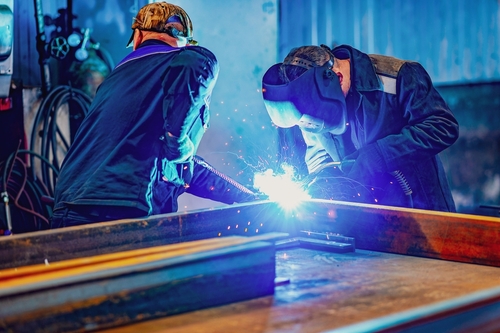 Welding operations are the backbone of many industries, including construction, manufacturing, and automotive. The efficiency and reliability of welding processes directly impact production timelines, product quality, and overall operational costs. Ensuring that your welding operations run smoothly requires a combination of proper equipment maintenance, a skilled workforce, and adherence to safety protocols. Here are some essential tips and best practices to help you keep your welding operations on track.
Regular Welding Equipment Maintenance
One of the most crucial aspects of maintaining smooth welding operations is ensuring that all your equipment is in good working condition. Regular maintenance checks can help identify potential issues before they become major problems.
Here are some equipment maintenance best practices:
- Routine Inspections: Schedule regular inspections of welding machines, cables, and torches. Look for signs of wear and tear, such as frayed cables or worn-out contact tips.
- Cleaning: Keep welding equipment clean and free from dust and debris. This includes cleaning the welding torch, nozzle, and liners to prevent blockages that can affect performance.
- Calibration: Ensure that welding machines are properly calibrated according to manufacturer specifications. Incorrect settings can lead to poor weld quality and increased rework.
Proper Training and Certification
Having a skilled and knowledgeable workforce is essential for smooth welding operations. Investing in training and certification programs for your employees can significantly improve the quality of work and reduce the likelihood of errors.
Here are some training and certification best practices:
- Skill Development: Provide ongoing training to your welders to keep their skills up to date with the latest techniques and technologies. This can include workshops, seminars, and hands-on training sessions.
- Certification: Encourage your welders to obtain relevant certifications from recognized organizations. Certified welders are more likely to produce high-quality work and adhere to industry standards.
Optimizing Workflows
Efficient workflows are key to maintaining productivity and minimizing downtime in welding operations. By optimizing your processes, you can ensure that work progresses smoothly and efficiently.
Here are some best practices for optimizing workflows:
- Standard Operating Procedures (SOPs): Develop and implement SOPs for all welding tasks. Clear and concise procedures help maintain consistency and reduce the risk of errors.
- Workstation Layout: Arrange workstations to minimize unnecessary movement and improve accessibility to tools and materials. A well-organized workspace can significantly enhance efficiency.
- Inventory Management: Keep an adequate supply of consumables, such as welding rods, gases, and safety gear. Running out of essential materials can cause delays and disrupt operations. James Oxygen has all the welding supplies you need.
Emphasizing Safety
Safety should always be a top priority in welding operations. A safe working environment not only protects workers but also enhances productivity by reducing accidents and associated downtime.
Here are some best practices for emphasizing safety:
- Personal Protective Equipment (PPE): Ensure that all welders wear appropriate PPE, including helmets, gloves, aprons, and safety glasses. Regularly inspect PPE for signs of wear and replace as needed.
- Ventilation: Proper ventilation is crucial to remove harmful fumes and gases produced during welding. Install exhaust systems and use fume extraction units to maintain air quality.
- Fire Safety: Implement fire safety measures, such as keeping fire extinguishers readily available and ensuring that flammable materials are stored safely away from welding areas.
Quality Control
Maintaining high-quality standards is essential for the success of any welding operation. Implementing stringent quality control measures can help ensure that your welds meet industry standards and customer expectations.
Here are some best practices for maintaining quality control:
- Inspection and Testing: Conduct regular inspections and tests on welds to identify defects and ensure compliance with specifications. This can include visual inspections, ultrasonic testing, and X-ray inspections.
- Documentation: Maintain detailed records of welding procedures, inspections, and tests. Documentation helps track performance and provides valuable data for continuous improvement.
Summary
Smooth welding operations are the result of a combination of well-maintained equipment, a skilled workforce, optimized workflows, strict safety protocols, and rigorous quality control. By implementing these essential tips and best practices, you can enhance the efficiency, productivity, and overall success of your welding operations.
Choose James Oxygen & Supply
If you have a welding services business in Western North Carolina, trust your business to the professionals at James Oxygen & Supply. We’re more than just oxygen. We understand the needs of welders and offer top-quality welding supplies from brands you can trust like Hobart, Jackson, McKay, Miller, Safety Cart, Tilman, Tweco, United Abrasives, Uniweld, Victor, and Washington Alloys.
Contact James Oxygen & Supply today to learn more about the welding products and services we offer to help you get the job done.

