

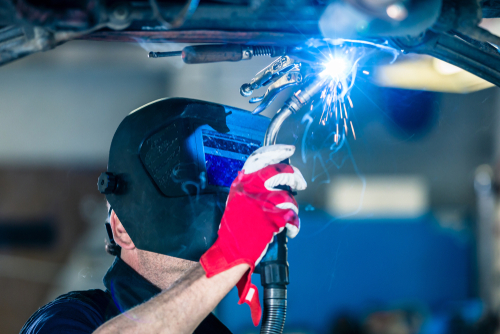
 Industrial gases play a critical role in welding and metal fabrication, serving as essential components in processes that require precision, strength, and safety. From shielding gases that ensure clean welds to gases that fuel cutting torches, the right selection and use of industrial gases can significantly impact the quality and efficiency of metalworking operations.
Welding involves joining two or more metal parts by applying heat, pressure, or a combination of both. Industrial gases are used primarily for shielding, cutting, heating, and increasing process efficiency. Common welding techniques, such as MIG (Metal Inert Gas), TIG (Tungsten Inert Gas), and plasma arc welding, rely heavily on specific gases to optimize results.
Here are some common industrial gases in welding and their applications:
Beyond welding, industrial gases also play critical roles in metal fabrication processes like cutting and bending. Plasma and laser cutting often use gases such as nitrogen, oxygen, and argon to improve cutting precision and reduce dross formation. Heating applications for bending or shaping metals frequently involve fuel gases like propane or acetylene combined with oxygen.
Choosing the right gas or gas mixture for a specific application is essential for achieving desired outcomes in welding and fabrication. Factors such as material type, welding technique, and project requirements must be considered.
Safety is another critical aspect. Industrial gases are stored under high pressure and can pose risks if not handled correctly. Proper training, well-maintained equipment, and adherence to safety standards are vital to minimize hazards.
Industrial gases are indispensable in welding and metal fabrication, enhancing process efficiency, weld quality, and precision. By understanding the role of each gas and employing the right combinations, professionals in the metalworking industry can achieve superior results while maintaining safety and sustainability.
At James Oxygen & Supply, we are the leader in the area for providing a wide variety of industrial gases to local businesses. We offer both high-pressure gas cylinders and liquid containers. And we offer bulk delivery.
Here are some of the gases we provide:
Whatever your industrial gas needs are, if you’re in western North Carolina, contact us today and we’ll get to work for you!